












The True Cost Of Fly Tipping
Fly tipping has become a significant problem across Kent, as well as across the UK. While it may seem initially cheaper than hiring proper disposal services, the reality is that the cost runs much deeper than going through the proper channels ever could.
The financial, legal and environmental consequences far outweigh the cost of proper waste disposal, with costs ranging up to £12,000+ if caught.
Considering the penalties, social and legal repercussions, increasing taxes and even a heavy risk to your own livelihood, it can’t be said to be a viable option compared to skip hire and proper disposal. Here’s a breakdown of all the reasons why the cost of illegal waste disposal is higher than you may think.
What are the penalties for fly-tipping?
Fly tipping is a criminal offence under the Environmental Protection Act 1990. The legal consequences are serious and can follow you for life.
Fixed penalty notices
The minimum on-the-spot fine for fly-tipping in Kent starts at £400. Many Kent councils have recently increased their Fixed Penalty Notices (FPNs) to £1,000, the maximum amount allowed by law. Canterbury, Maidstone, Thanet and Swale have all adopted this higher penalty rate.
These fines apply to small-scale fly tipping. If you refuse to pay the FPN or the offence is more serious, the case will go to court, where penalties increase dramatically.
Magistrates' court penalties
If your case reaches the magistrates' court, you could face:
Fines up to £50,000
Up to 12 months imprisonment
A permanent criminal record
Crown court penalties
For serious or large-scale fly tipping, cases can be referred to the Crown Court, where the stakes are higher:
Unlimited fines
Up to five years’ imprisonment
Criminal record with serious long-term implications
According to official government statistics for 2023 to 2024, while enforcement action was taken on around 50% of fly tipping incidents, 1,378 court fines were issued with an average value of £530. However, this average is misleading; serious offenders regularly receive fines running into thousands or tens of thousands of pounds.
Further repercussions beyond fines
The fines described above are only the start. Fly tipping triggers additional costs that many offenders never anticipate, from criminal records to vehicle seizures, and more. This means that the risks far outweigh the potential positives.
Vehicle seizure and crushing
Kent councils, working with Kent Police through Operation Assist, have the authority to seize, impound and crush vehicles used in fly-tipping offences. Both the driver and the vehicle owner can be prosecuted. If your vehicle is seized:
You will need to pay impound fees to recover your vehicle
You may need extensive documentation proving ownership and insurance
If your vehicle is crushed, you lose its entire value, potentially thousands of pounds
Criminal record consequences
A criminal conviction for fly tipping stays on your record and can severely affect your life:
Employment - Many employers conduct criminal record checks. A conviction could prevent you from getting jobs, especially in logistics, waste management, construction or any role requiring a clean record
Insurance - Your vehicle, home and business insurance premiums could increase dramatically, or insurers may even refuse to cover you due to the conviction
Business licensing - If you operate a business, a fly-tipping conviction could put your waste carrier's licence and other professional credentials at risk
Travel - Some countries require visa applicants to disclose criminal convictions, which could prevent international travel
Duty of care violations
Even if you do not fly tip the waste yourself, you can still be prosecuted and fined. Under UK law, householders and businesses have a duty of care with their waste, to make sure it is disposed of properly. This means:
If you hire someone to remove your waste and they fly tip it, you are still liable
You can be fined up to £600 for failing to check their credentials
You are required to verify that any waste carrier is registered with the Environment Agency
Kent councils have introduced specific duty of care Fixed Penalty Notices for residents who use unlicensed waste carriers. The message is clear: Ignorance is not an excuse, and choosing the cheapest option without proper checks will cost you dearly.
The environmental and social costs of fly-tipping
Beyond the direct costs to offenders, fly tipping places enormous burdens on communities, the environment and taxpayers across Kent.
Added financial burden on Kent taxpayers
In 2023 to 2024, large fly tipping incidents (tipper lorry loads or larger) cost English councils £13.1 million to clear up, an 11% increase from the previous year. This does not include smaller incidents, which collectively cost millions more. Across Kent, the damage is quite substantial:
Kent councils recorded over 25,000 fly-tipping cases, representing more than a quarter of all incidents in the Southeast
Councils must deploy teams to investigate, clear and prosecute offenders
Every pound spent on cleanup is money diverted from essential services like education, healthcare and infrastructure
Many incidents leave no evidence for prosecution, which means criminals often escape while law-abiding residents pay the cleanup bill.
Environmental damage
Fly-tipped waste does not just look unsightly, but it also causes serious environmental harm and increases your carbon footprint:
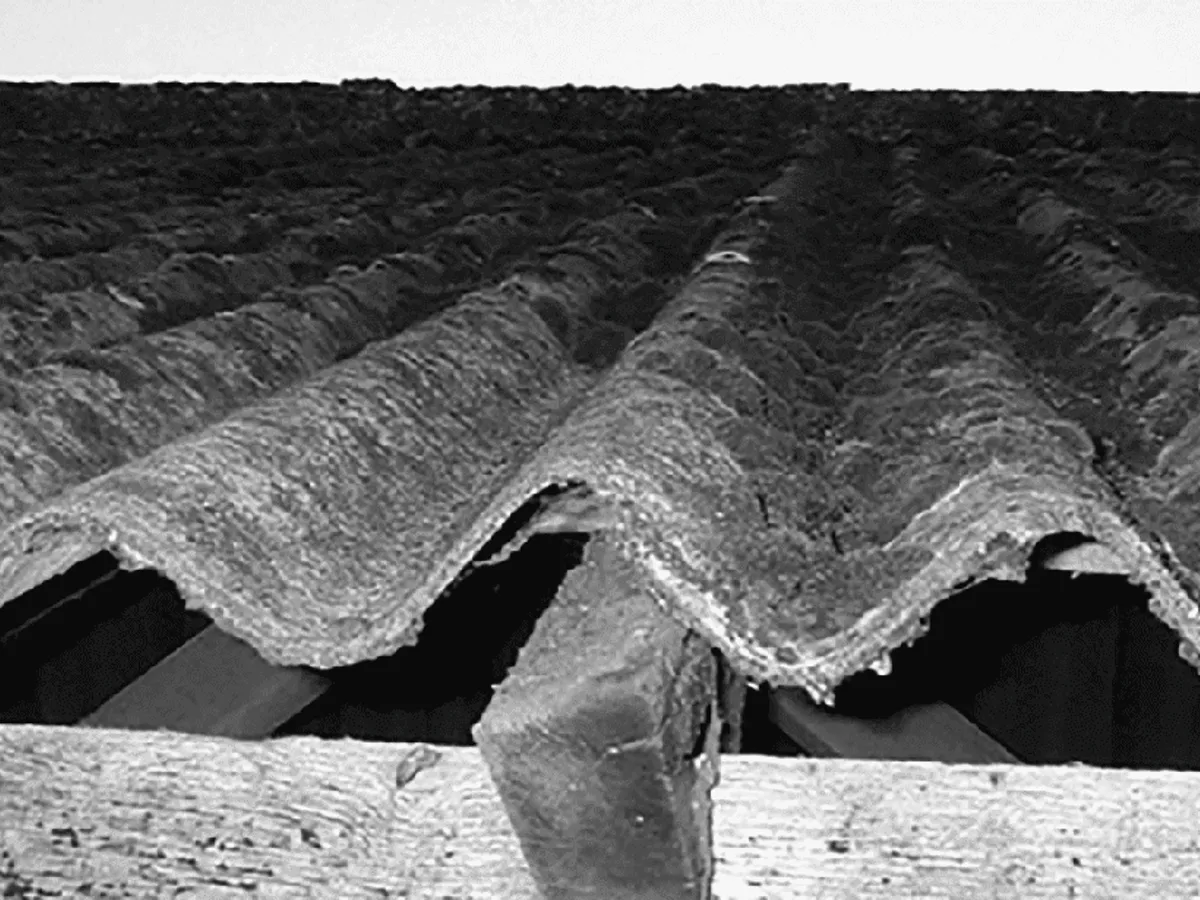
Soil and water contamination - Hazardous materials, chemicals, asbestos and construction waste can leach into soil and groundwater, poisoning the ecosystem for years
Wildlife hazards - Animals suffer from discarded rubbish as they become trapped in discarded furniture, injured by sharp objects or poisoned by toxic substances
Vermin attraction - Rotting waste attracts rats, foxes and flies, creating public health risks
Countryside degradation - Kent's beautiful rural areas and country parks are regularly damaged by illegal dumping, destroying landscapes that should be enjoyed by everyone
The National Farmers Union has highlighted that fly tipping on farmland is particularly damaging, contaminating crops, harming livestock and costing farmers thousands in cleanup expenses, expenses they must bear even though they are the victims of crime.
Knockback on the local community
Fly tipping affects the quality of life for entire communities:
Property values decline in areas affected by illegal dumping
Residents feel unsafe and disrespected in their own neighbourhoods
Children cannot play safely in parks and open spaces
Local businesses suffer as areas become associated with neglect and crime
Why fly tipping is never the cheaper option
Some people may wonder why fly tipping is illegal, but the answer should be clear at this point. Still, there are a few people who are willing to risk it because they believe it saves money compared to legitimate waste disposal. This is a dangerous miscalculation that ignores both the high risk of being caught and the huge costs when you are.
Let’s run a comparison: Say you have a van-load of household waste to dispose of. What are the costs you could face from either side?
If you hire a skip, you’ll find that the costs are controlled and manageable, plus you won’t have to worry about proper disposal. In general, this means:
6-8 yard skip - £220-£330
Legal, legitimate, stress-free
No criminal record
No employment issues
Environmentally responsible
Meanwhile, fly tipping may be free from the start, but you run the risk of being tracked down and caught for the act. This means, beyond social shaming and other repercussions, you’d face costs such as:
Minimum fine - £400-£1,000
Vehicle seizure - £2,000-£10,000+
Prosecution costs - £500-£1,000+
A criminal record, leading to increased insurance costs
Even using conservative estimates, getting caught fly tipping costs at least 10 times more than proper skip hire, at £3,900-£12,000+. These figures do not account for the long-term career and insurance implications of a criminal record, which could cost tens of thousands over your lifetime.
Increased surveillance for fly-tipping incidents
Many fly tippers believe they will not get caught, but enforcement is improving rapidly, through multiple platforms and vigilance schemes such as:
CCTV cameras - Kent councils have installed hundreds of surveillance cameras in hotspots
Witness reports - Residents increasingly report suspicious activity, capturing registration numbers and vehicle descriptions
Forensic investigation - Councils employ environmental crime teams who sift through dumped waste. A single envelope with your address can lead to prosecution
High conviction rates - When cases go to court, prosecution success rates exceed 97%
The statistics show that in 2023 and 2024, councils took enforcement action on around 50% of fly-tipping incidents, with 63,000 Fixed Penalty Notices issued and 1,378 court prosecutions.
How to avoid falling victim to unlicensed waste carriers
You may be convinced not to fall into the fly-tipping trap, but you may still be tempted to cut costs. This means you may see advertisements on social media or local boards offering waste disposal at suspiciously low rates.
Be extremely cautious with these. While there are many legitimate businesses out there, some 'man with a van' operations lack proper licences and simply fly-tip your waste themselves. This leaves you liable for prosecution, despite taking measures to hire a service.
To avoid this risk, always verify that any waste carrier is registered with the Environment Agency by:
Checking the Environment Agency public register
Requesting a written receipt with contact details, waste description and destination
Choosing established, reputable companies with proven track records
Choose the smart, legal, affordable option
Do not risk your financial future, criminal record and reputation on illegal waste disposal. Whether you are clearing out a garage, renovating a property or managing construction waste, TW Services provides the skip hire solution that keeps you legal, protected and within budget.Contact us today to get started.


